
Blog
Navigating HFSS Restrictions: Why the death of product-first advertising must mean the rise of value-led storytelling
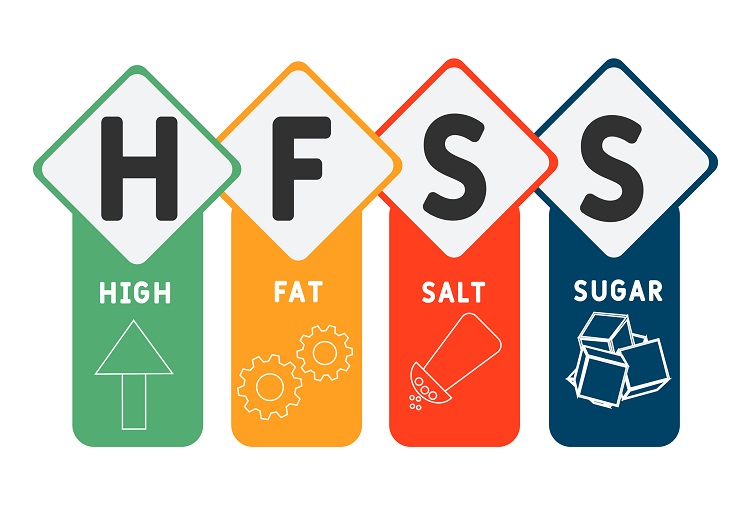
The landscape of food and drink advertising in the UK is undergoing its most significant shift since the tightening of marketing regulations around alcoholic drinks in 2005. The government’s new sweeping restrictions on advertising products high in fat, salt or sugar (HFSS) – including a 9pm television watershed and forthcoming total ban on paid online HFSS ads from January 2026 – will force brands to rethink how they connect with consumers, allocate budgets and position themselves in a fiercely competitive market. These measures, aimed at tackling obesity and reducing exposure to less healthy products, are a seismic change that will redefine the way brands tell their stories.
Scott Snell, CI Group’s Non-Executive Director, shares how brands can adapt, and avoid losing ground.
As someone with over two decades experience in FMCG marketing, I saw first-hand how alcohol brands were forced to reinvent their approach after 2005. These changes massively shook up the way these brands reached their audiences – but they adapted. That same urgent strategic recalibration is required for brands affected by the HFSS changes. To me, the solution is clear: brands must pivot from ‘product-first’ promotion to storytelling rooted in values and purpose. And those who act quickly will gain a defining competitive advantage.
Breaking down what’s changing
The rules from 2026 prohibit HFSS product advertisements on all TV and UK-regulated streaming services before 9pm, and remove paid online advertising for such products entirely. Only ‘pure-brand’ advertising, with no reference or depiction of permitted products, is permissible.
From an operational perspective, this will reshape both creative and media strategy. Large multinationals, historically reliant on TV and digital spend, must overhall well—established playbooks. Channel mixes will pivot as paid opportunities shrink; budgets will migrate to owned platforms, community building, PR and strategic partnerships, amplifying the importance of having a brand narrative that consumers want to engage with on an emotional level.
Brands have a massive opportunity to rely on ‘brand-only’ campaigns – advertising that highlights the values, heritage and social purpose of a business, without referencing or depicting restricted products.
Brand storytelling: The sustainable solution
In my experience, genuine brand leadership now demands clarity and purpose, and the capacity to foster relationships beyond the product. The best brands are already showing the way – McDonald’s, for one, has shifted emphasis from product imagery to communicating corporate and societal values, through shared experiences and emotional cues.
This is an opportunity to let ethical positioning, sustainability credentials, brand heritage and community purpose take centre stage – and there is a solid commercial reason for doing so. Research shows that 71% of UK consumers say that a brand’s purpose is important to them, and 55% are willing to pay more for products from brands committed to ethical and sustainable practices. The expectation is not just that brands ‘say the right things’, but that they act visibly and credibly in ways that resonate with consumer values.
These regulation shifts will challenge even the strongest brands to rethink how they connect with consumers. My advice to brands navigating these regulations is simple: Act early, lean into what sets you apart and prioritise purpose-led storytelling, and you can ensure not only ongoing relevance and visibility – but also build the trust required for long-term loyalty in an industry that increasingly prizes responsibility as much as commercial performance. It is emotional connection, not product claims, that endures when products themselves are legislatively silenced.
If you’re a FMCG leader who wants to explore how to reshape your marketing strategy, get in touch with CI Group and let’s discuss how you can protect your commercial performance and turn these restrictions into opportunities.