
Blog
The new media mix: Rebalancing TV, digital and owned channels after HFSS marketing regulation shifts
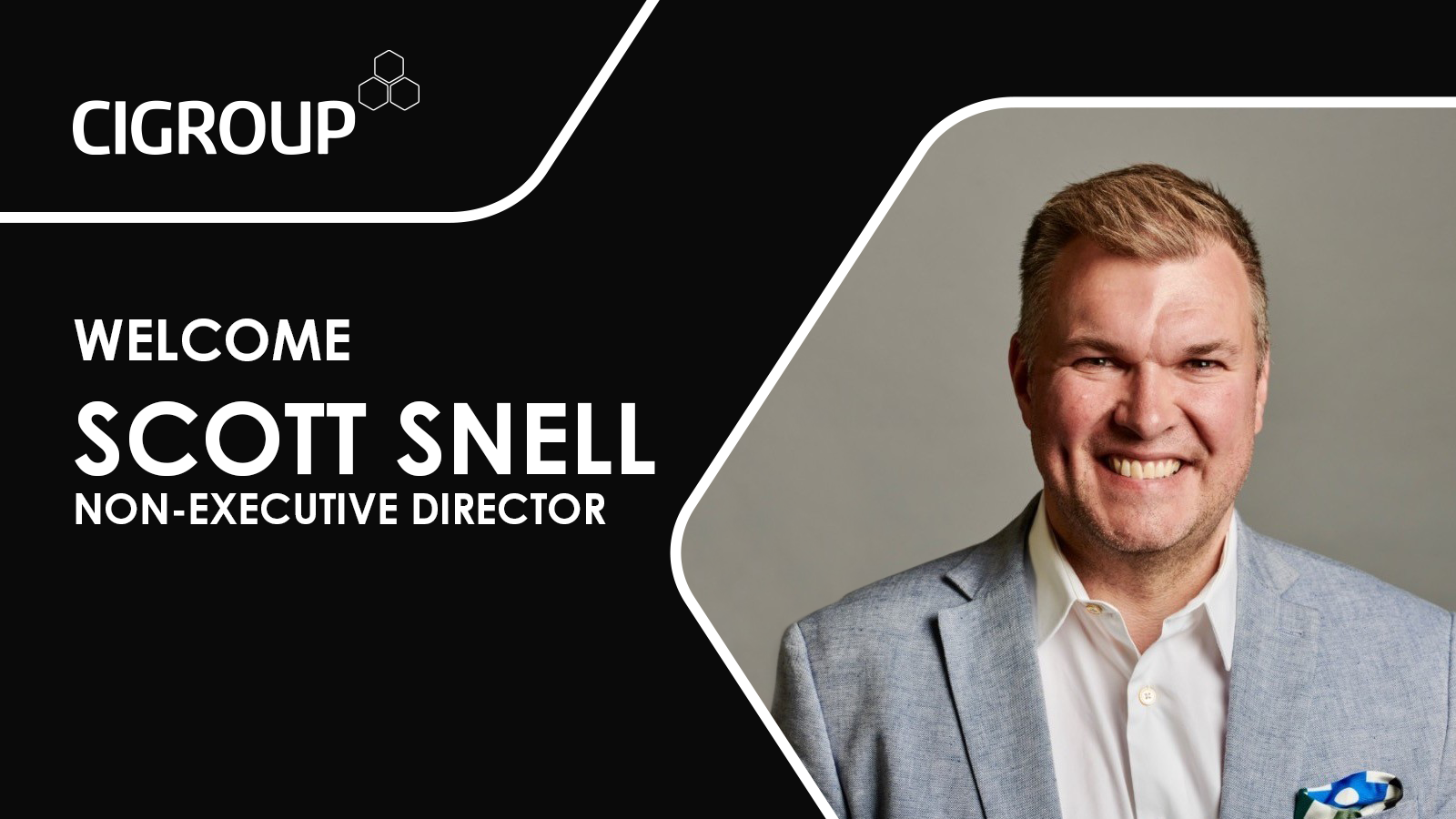
Written by Scott Snell – Non-Executive Director at CI Group
The UK’s HFSS advertising regulations coming into effect in January 2026 mark a watershed moment for food and drink brands. With a strict 9pm television watershed and a total ban on paid online ads for products high in fat, salt or sugar, FMCG marketers must urgently rethink not just their creative assets, but their entire media blueprint. Having spent more than two decades in this sector, I have seen few moments that demand such a fundamental shift in how brands engage audiences. Here, I outline what will change, and how to adapt.
Understanding the shift: TV and digital will lose dominance
The impact of the HFSS rules is twofold: the most visible and valuable broadcast slots are now strictly restricted, and paid online channels – from influencer marketing to video adverts on streaming sites – once a default for reach and targeting, are no longer an option. Legacy approaches that relied on omnipresent product advertising across TV and digital simply won’t cut it moving forward. Multinational brands in particular will feel the squeeze, having built their marketing engines on these high-frequency channels.
Yet, if there’s one lesson from the 2005 alcohol marketing restrictions that shook up the industry, it’s that adaptability is everything. The budget will need to work harder than ever, and the role of the marketer will be to orchestrate a new, more nuanced, channel mix. So – what now?
Post 9pm TV becomes prime-time
With HFSS ads now limited to post p-pm, these slots will be flooded with demand, likely driving both competition and costs. Brands must become surgical in their buying, and target specific, relevant programming where audience demographics align with their products, and ensure those moments aren’t wasted on generic messaging.
This could include tailoring the ad so it relates to the programme it appears alongside, or securing advertising or sponsorship during big, relevant TV moments (think award shows or major sporting matches) to reach a large, engaged audience.
Organic digital channels step forward
In a world where paid digital is now off-limits, owned and organic digital activity takes on renewed significance. Carefully curated content on websites, social platforms and consent-based email should provoke authentic engagement by emphasising values and community, rather than overt product pushes. Leverage community management, brand storytelling and educational content that positions the brand as a trusted, credible resource.
Partnerships, events and in-store
Influence is not just bought, it’s built. Strategic partnerships with retailers, relevant charities or event organisations, offer opportunities to embed the brand within communities and physical touchpoints. Events, sponsorships and in-store activations sidestep much of the regulatory friction while providing valuable data and direct engagement. Collaboration with retailers is also key – aligning on shelf positioning, compliant promotions, and co-branded initiatives can enhance visibility without breaching HFSS restrictions.
Practical steps for FMCG leaders
Audit your existing media spend and channel performance now, and identify areas where spend depends on soon-to-be restricted ads. Begin channel diversification immediately, upskilling teams in organic social, email and experiential activations. Foster direct relationships with publishers, influencers and retail partners who can provide reach that is both impactful and compliant.
Above all, monitor guidance from Ofcom and the ASA closely – these bodies will shape not just what is legal, but what is effective. Brands that stay agile, invest their own data and channels, and focus on genuine value-added engagement will remain resilient in the new HFSS environment.
We are entering an age where brands will need to rely on creativity just as much as cash to drive visibility. Those who master the new media mix will secure lasting relevance and loyalty in the rapidly evolving landscape.
Let’s Talk – marketing@cigroup.co.uk